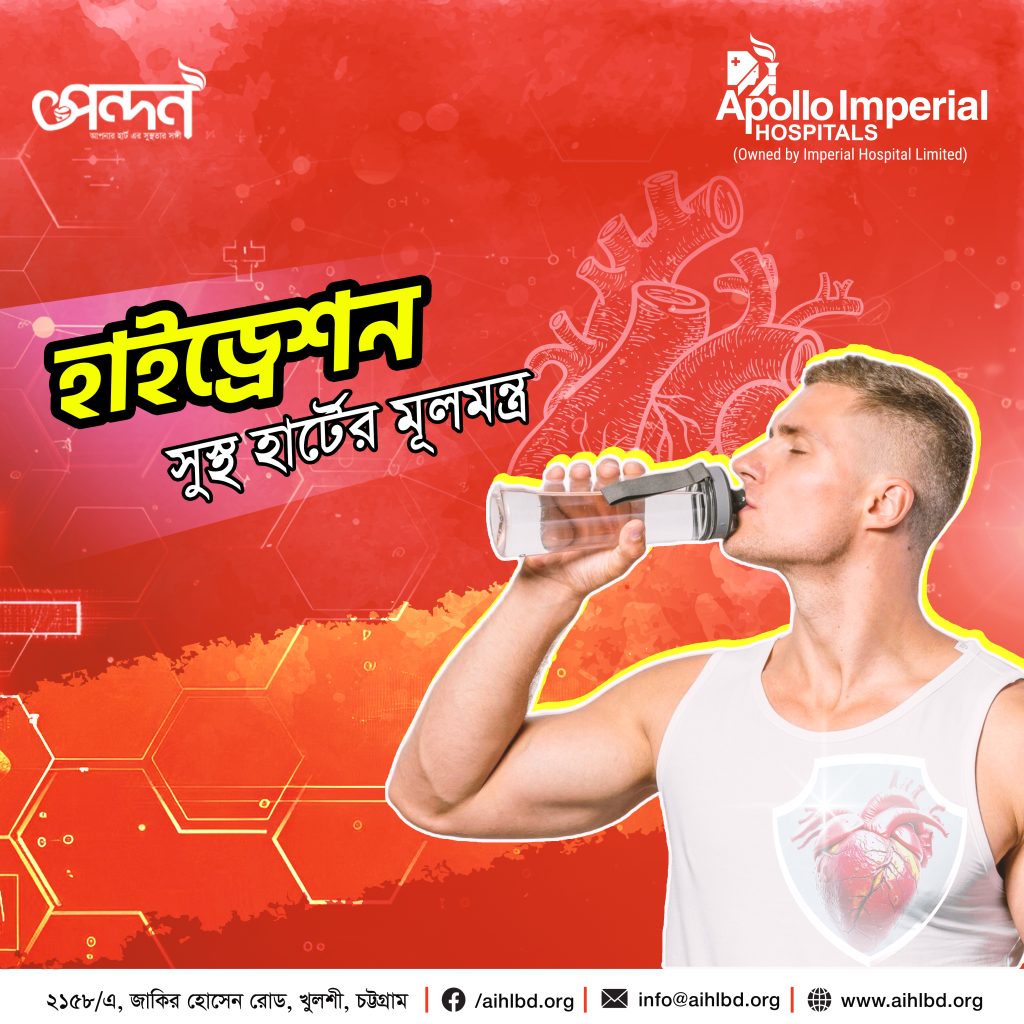
Water is the essence of life, and staying hydrated is one of the simplest ways to support your overall health. But did you know that proper hydration plays a crucial role in maintaining heart health? Your heart works tirelessly to pump blood throughout your body, and hydration is vital for ensuring it functions efficiently.
The Role of Hydration in Heart Health
- Maintaining Blood Volume
Water is essential for maintaining the right blood volume, which allows your heart to pump blood effectively. When dehydrated, your blood becomes thicker, making it harder for the heart to circulate oxygen and nutrients throughout your body. - Regulating Blood Pressure
Proper hydration helps keep your blood pressure within a healthy range. Dehydration can lead to low blood pressure, causing dizziness, and, in some cases, may contribute to high blood pressure by increasing the workload on the heart. - Balancing Electrolytes
Hydration ensures that essential electrolytes like sodium and potassium are balanced in your body. These minerals are crucial for maintaining a regular heartbeat and supporting overall cardiovascular health. - Reducing Heart Strain
A dehydrated body forces the heart to work harder to pump blood, increasing the risk of cardiovascular strain and related complications.
Recognizing the Signs of Dehydration
- Dry mouth and throat
- Dark yellow urine
- Fatigue or lack of energy
- Rapid heartbeat or breathing
- Dizziness or confusion
If you notice any of these symptoms, it’s essential to replenish your body with fluids immediately.
Tips for Staying Hydrated
- Drink Adequate Water: Aim for 8-10 glasses of water daily, or more if you’re physically active or in a hot climate.
- Incorporate Water-Rich Foods: Include fruits and vegetables like watermelon, cucumbers, oranges, and lettuce in your diet.
- Limit Dehydrating Beverages: Minimize the intake of alcohol and caffeine, as these can dehydrate your body.
- Set Reminders: Carry a water bottle with you and set reminders to drink water throughout the day.
Hydration and Exercise
Physical activity increases your body’s need for fluids. Always hydrate before, during, and after exercise to keep your heart functioning optimally and prevent strain.
Staying hydrated is one of the easiest yet most impactful ways to support your heart health. Proper hydration ensures your heart can perform its critical functions without unnecessary strain, reducing the risk of cardiovascular problems. By making hydration a priority, you’re not just quenching your thirst—you’re nurturing your heart and paving the way for a healthier, more energetic life.
Drink water, stay healthy, and let your heart thrive!